I have been to the northeastern United States, also known as New England, but I had not been to northeast China. In Mandarin, these three provinces are called Dongbei or Dong San Sheng.
I decided to take a trip there to escape the heat and enjoy a rather cooler summer. My dad and I visited 3 cities, and they all have their own features. There are 3 provinces in this area: Starting from the north, there’s Heilongjiang Province, Jilin Province and Liaoning Province. The capital cities are Harbin, Changchun and Shenyang. We took the high-speed train all the way north.
Destination 1: Harbin, a travel-friendly city with history and exotic locations.
The cool wind and bright sky greeted us as we got off the train. After checking in and having a quick lunch, we started wandering around Central Street, the main bustling street of Harbin. My dad had been here decades ago. He said many stores have changed, but the cobblestones have been kept as they were in the 1920s.
Given its location and history, Harbin has many exotic buildings and restaurants, which are famous not only for northeastern cuisine but also Russian cuisine. We had Russian food for dinner at the Modern Restaurant, located in the historic Modern Hotel, which will celebrate its 120th anniversary next year.
Russian cuisine is famous for borscht (also known as Russian or Ukrainian beet soup), pot-stewed beef and cream-baked mixed casserole. I liked all of them. Borscht aids digestion, pot-stewed beef is usually tender and flavorful, and the cream-baked mixed casserole has a rich, creamy taste.
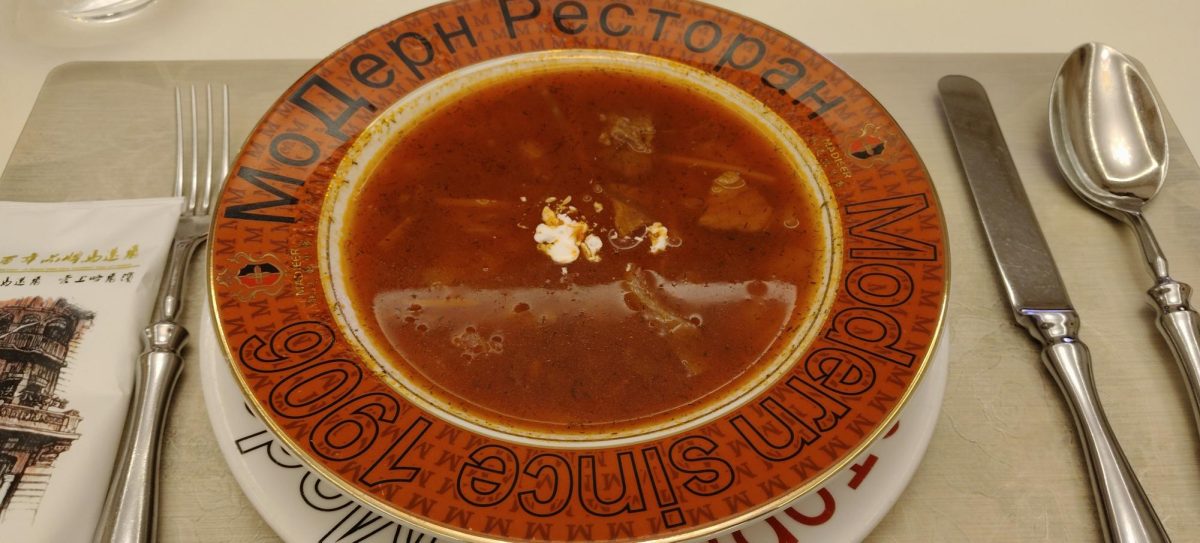

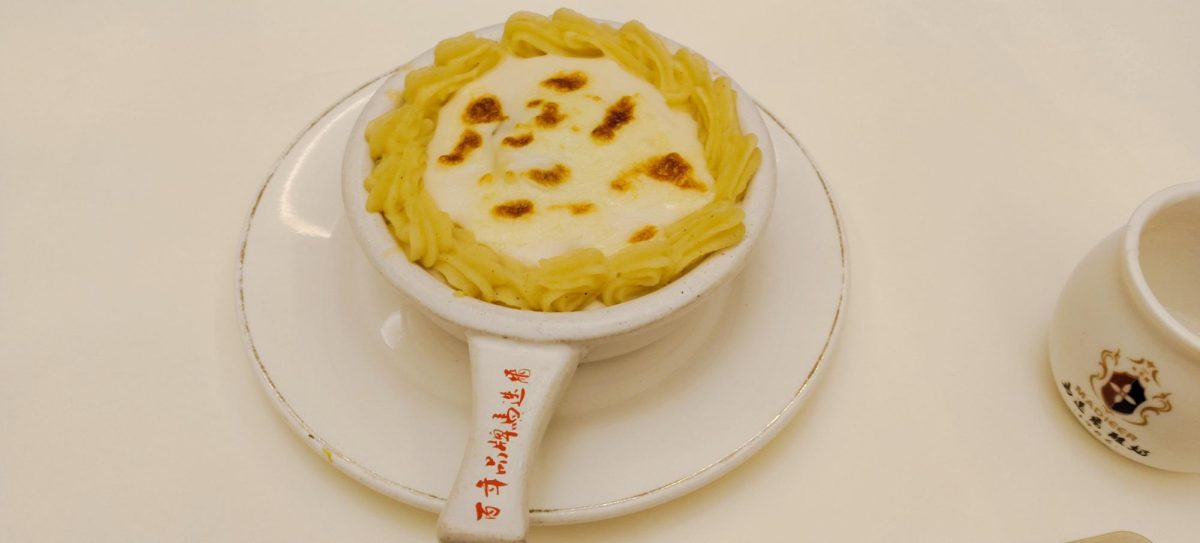
Not far from my home in Beijing stood a famous Russian restaurant. As a child, I often went there with my father, and to this day, the taste of those dishes brings back a vivid sense of nostalgia.
In the following days, we sampled two more Russian dishes and explored several barracks-style and westernised buildings that still shape the city’s skyline.
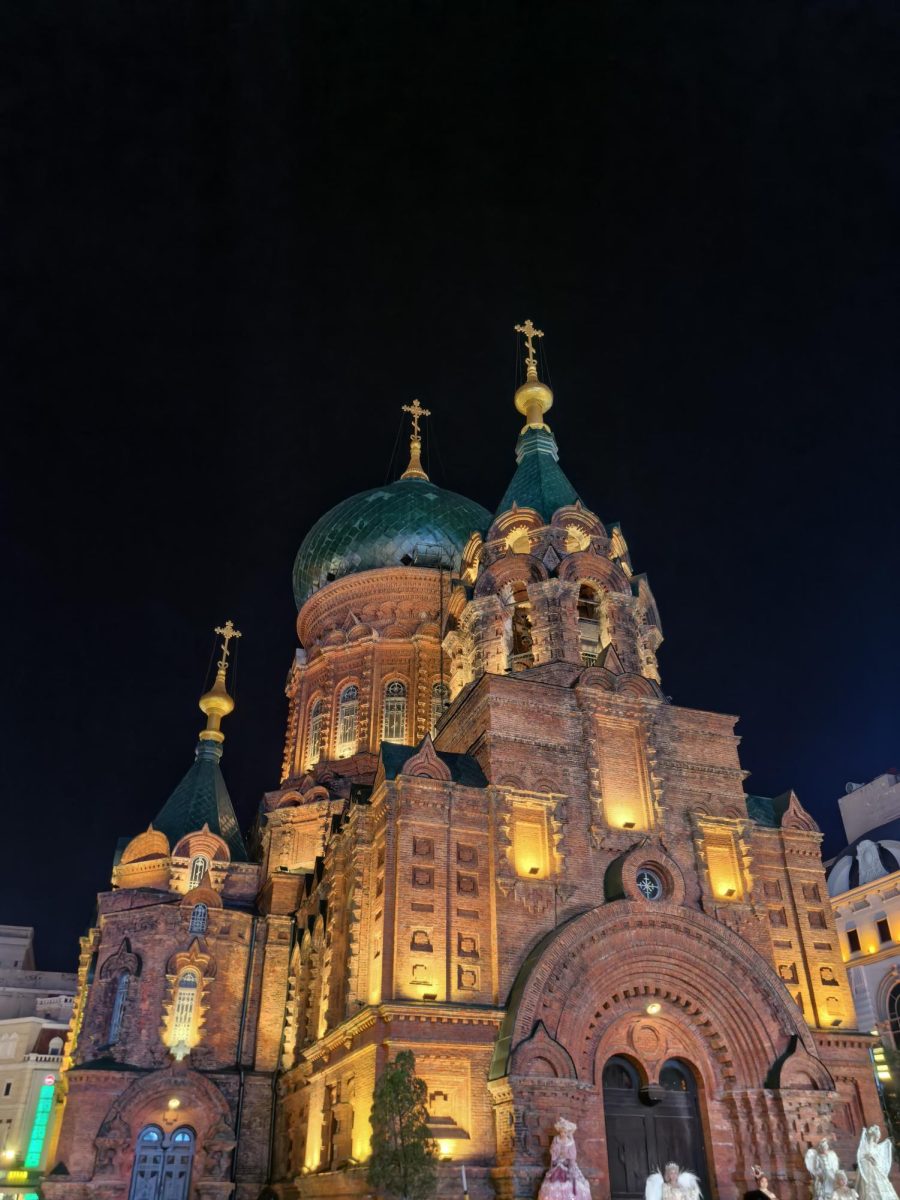
Among them, the most striking was Saint Sophia Cathedral, built in 1907 by Russian expatriates. Its red brick facade and onion dome serve as a reminder of the city’s deep Russian heritage.
As I walked near the cathedral and suddenly turned around, I took the following photo.

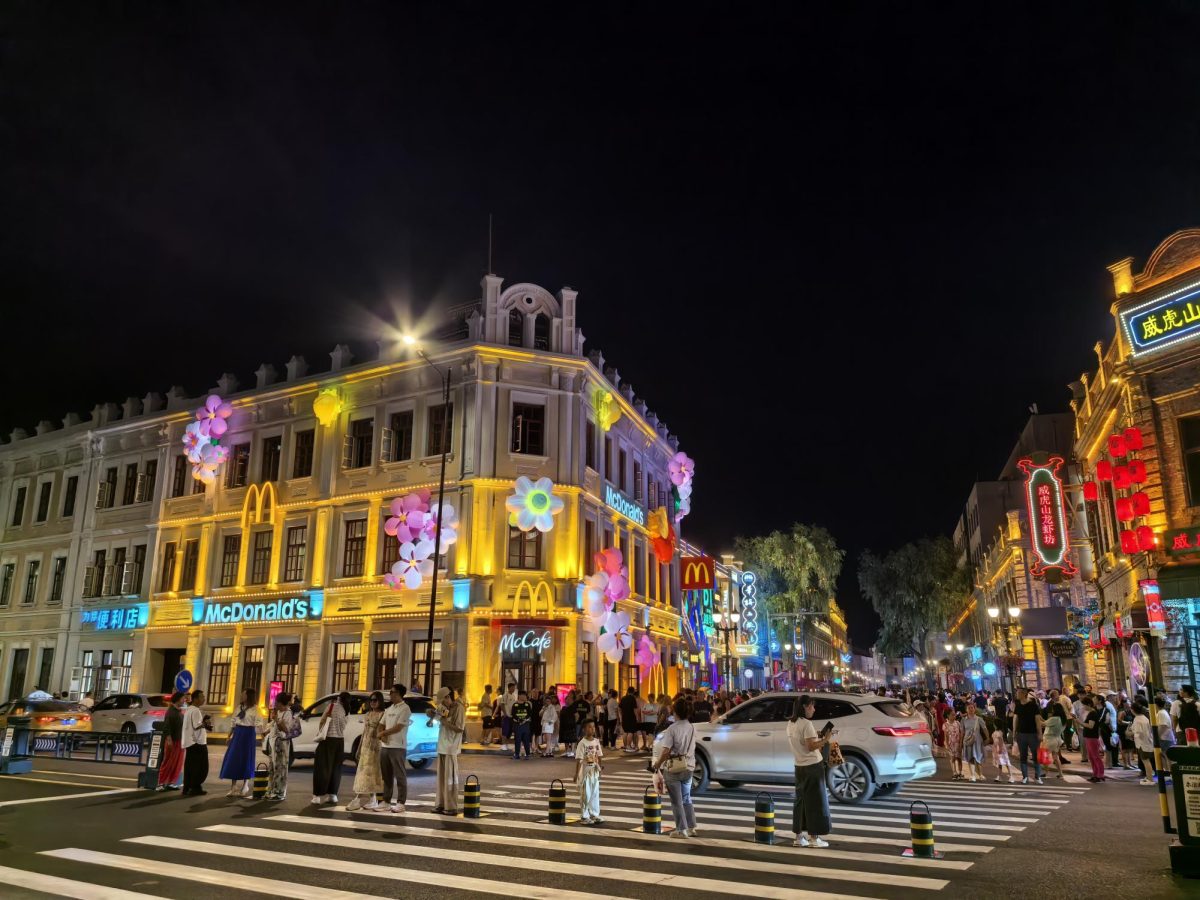
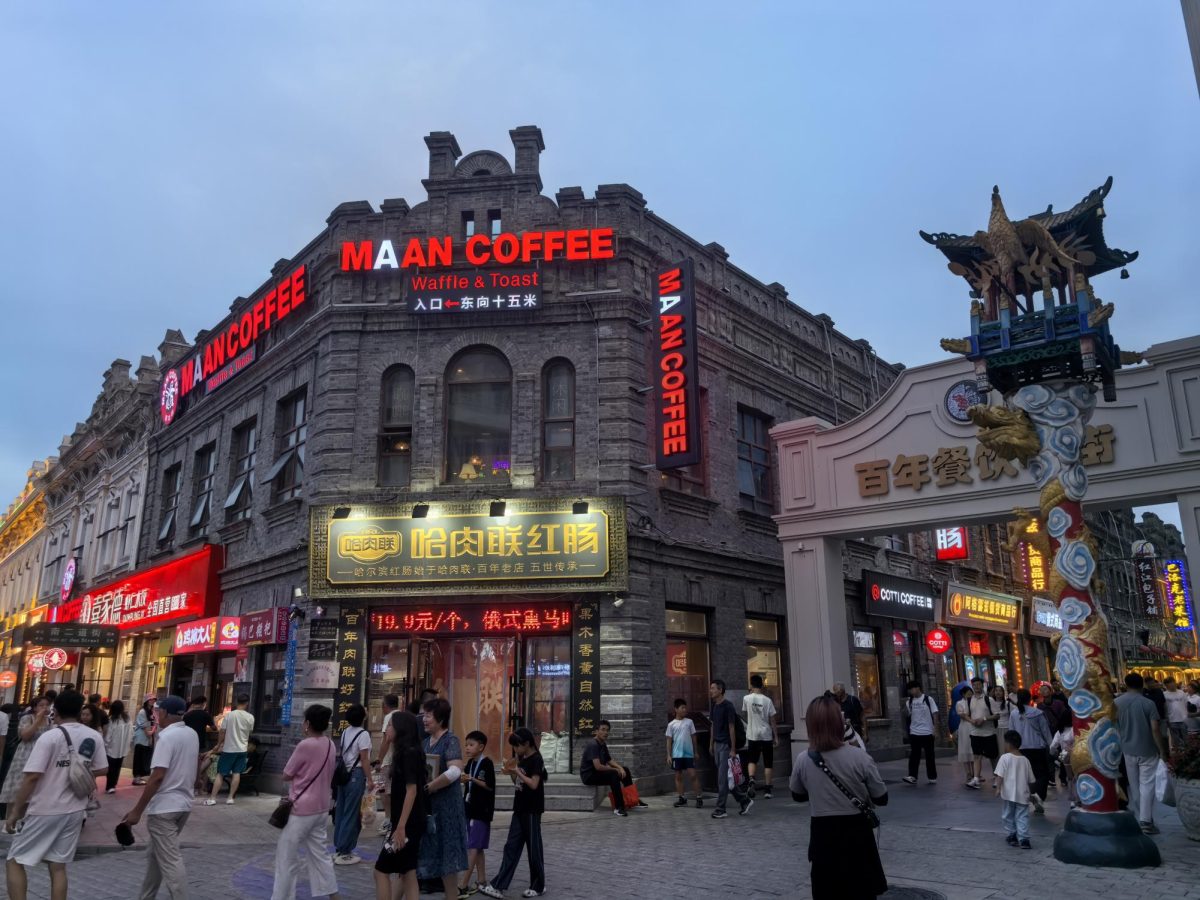
Tourists call Harbin “Oriental Paris” as the buildings are similar to the European styles.
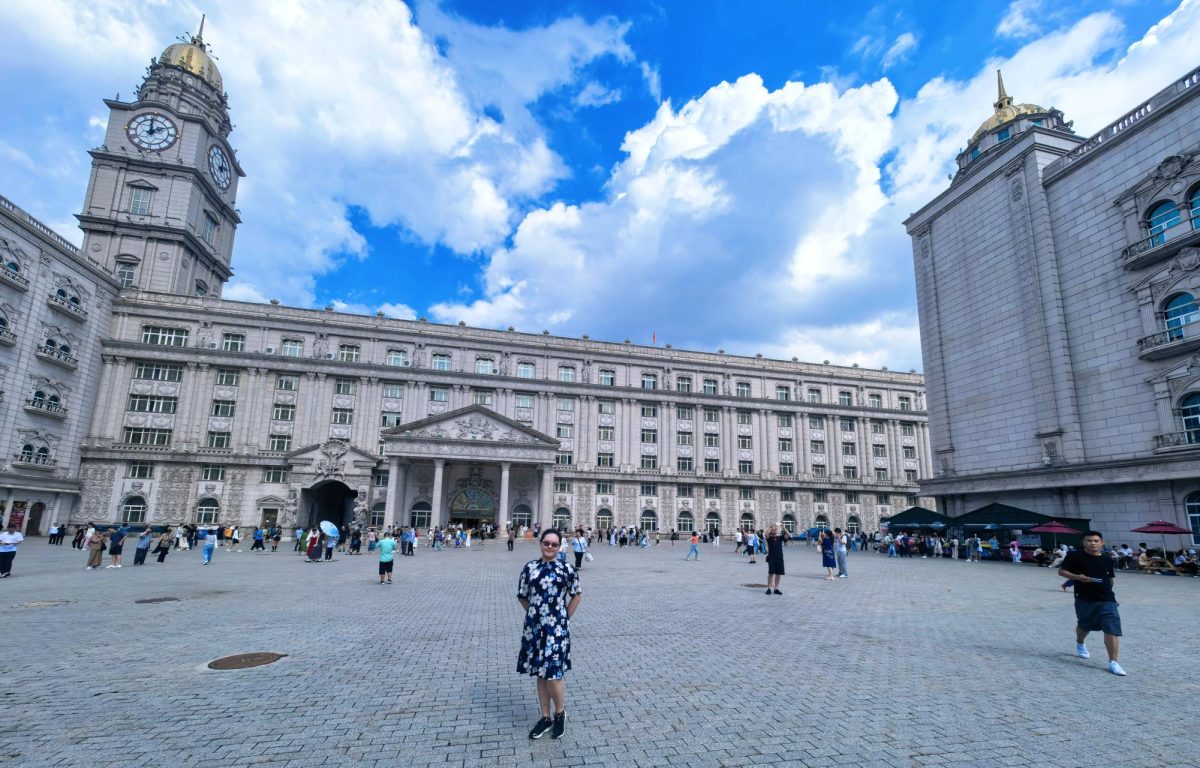
Inside out, Harbin Pharmaceutical Factory No. 6 carries the grandeur of the Louvre or even Versailles.
Today, part of its former workshops has been donated and transformed into a museum.

We also had several northeastern Chinese dishes, such as di san xian and tieguodun, in Harbin. This is a tourist-friendly city with its history, modern amenities and exotic sights. In winter, Harbin becomes even more scenic, blanketed in snow. The Harbin Ice and Snow World, an ice sculpture park, opens during the winter. The city also hosts the Harbin International Ice and Snow Festival in winter.
Termination 2: Changchun, Local residents have rich activities
After a three-night stay in Harbin, we traveled to Changchun, Jilin Province. We visited the Museum of the Imperial Palace of Manchukuo, Jingyuetan National Forest Park and the Museum of Changchun Film Studio, experiencing history, nature and entertainment.
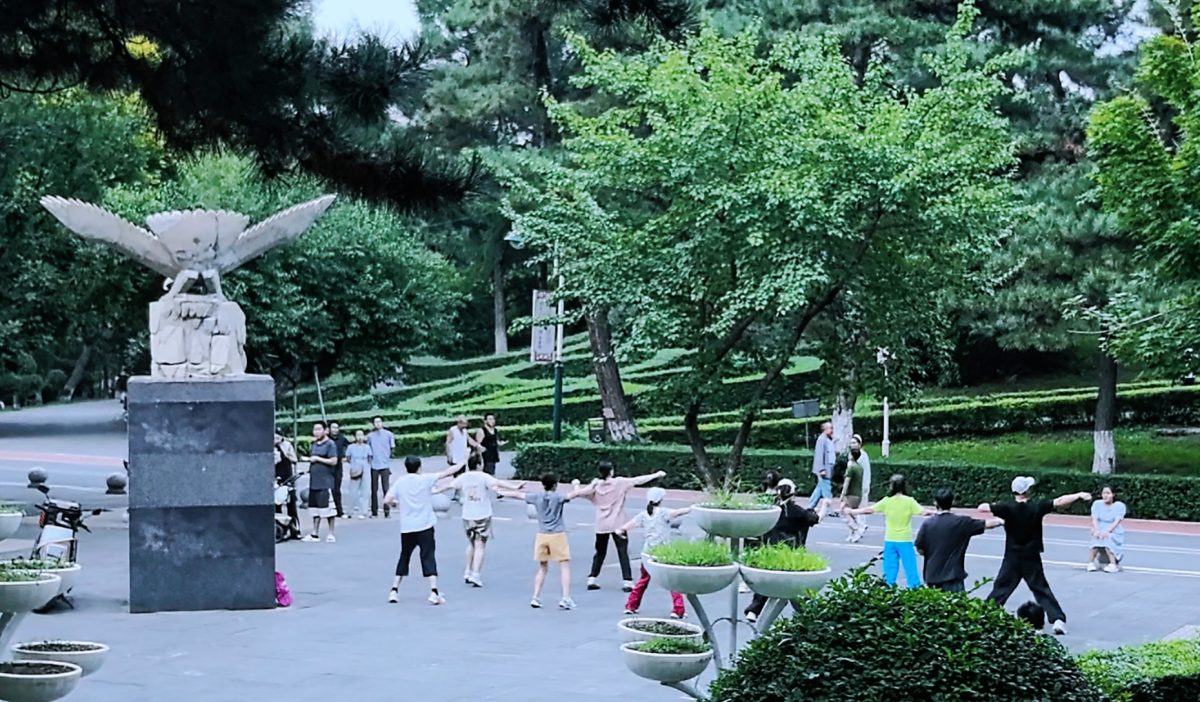
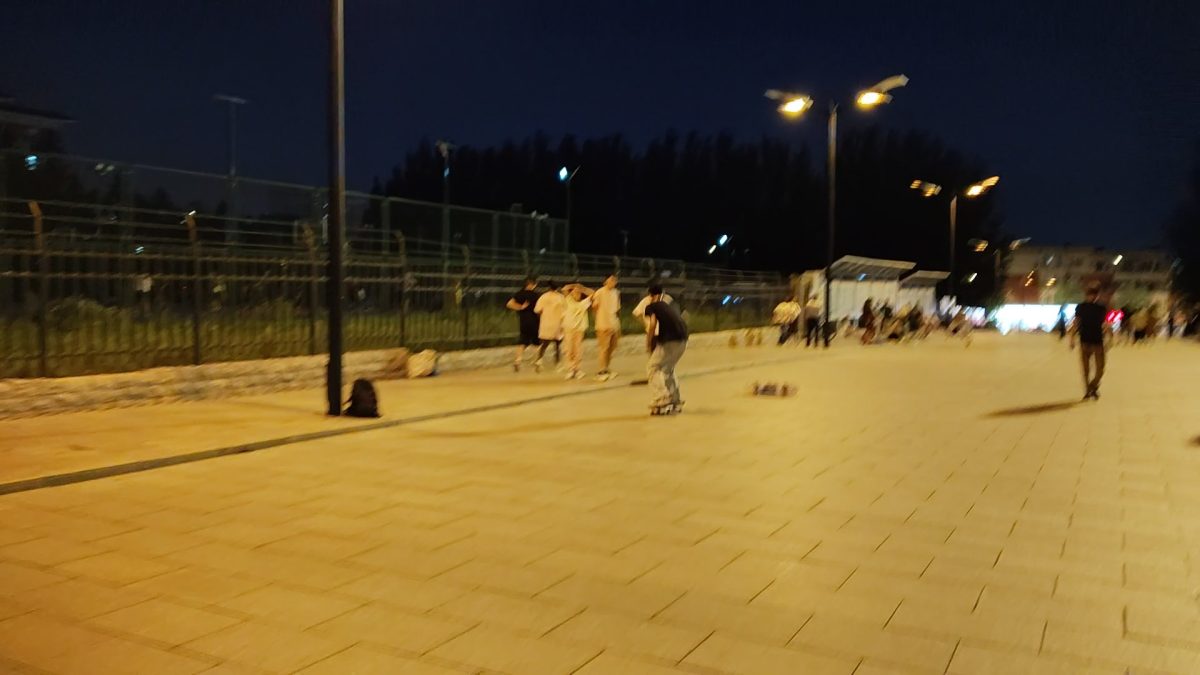
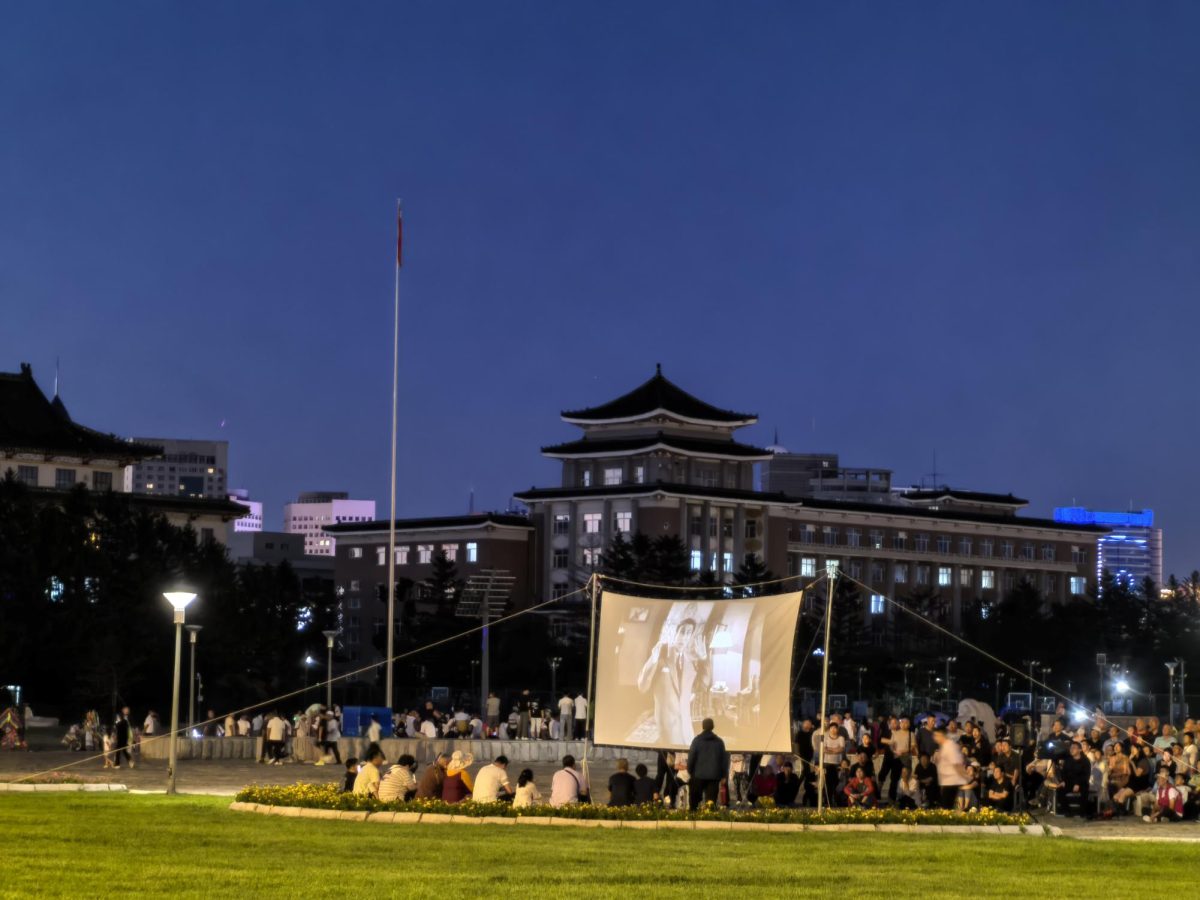
We also walked around two city parks and witnessed Changchun residents enjoying themselves every night — jumping rope, skateboarding, dancing in different styles and watching open-air films. The localities clearly enjoy their leisure time.

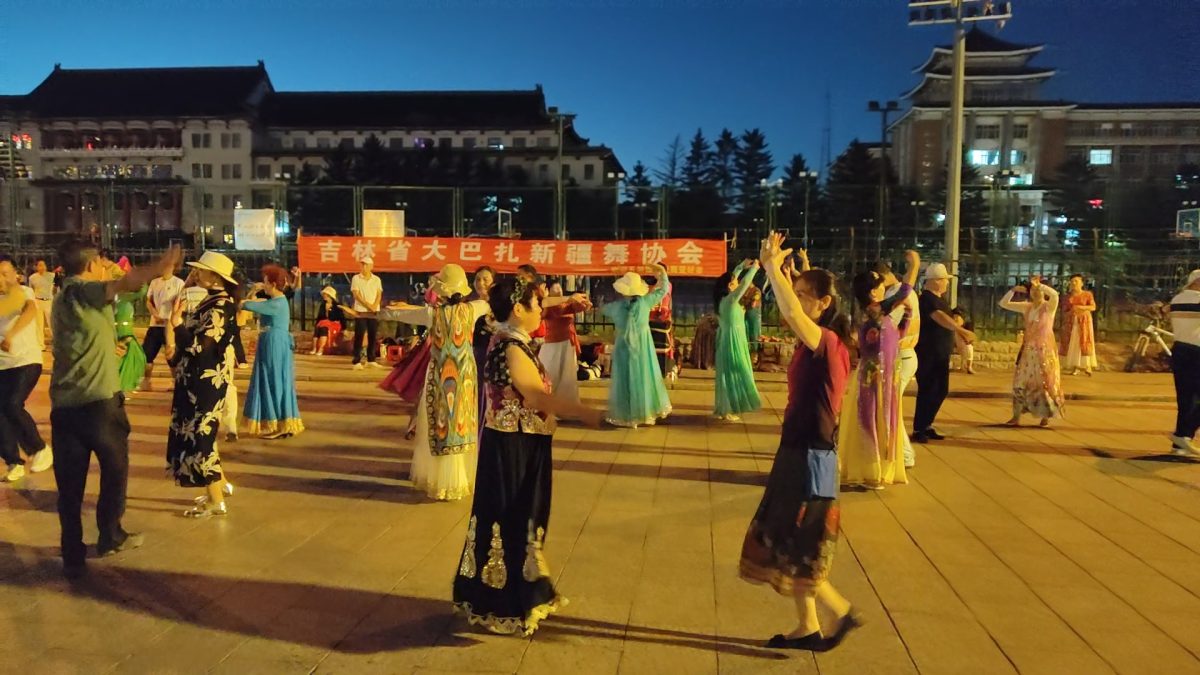
Xinjiang’s Uyghur dance is instantly recognizable: Dancers move with light, quick steps, their hands tracing elegant patterns in the air, while bright costumes swirl to the pulse of Central Asian rhythms. Even people in northeast China know this dancing style.
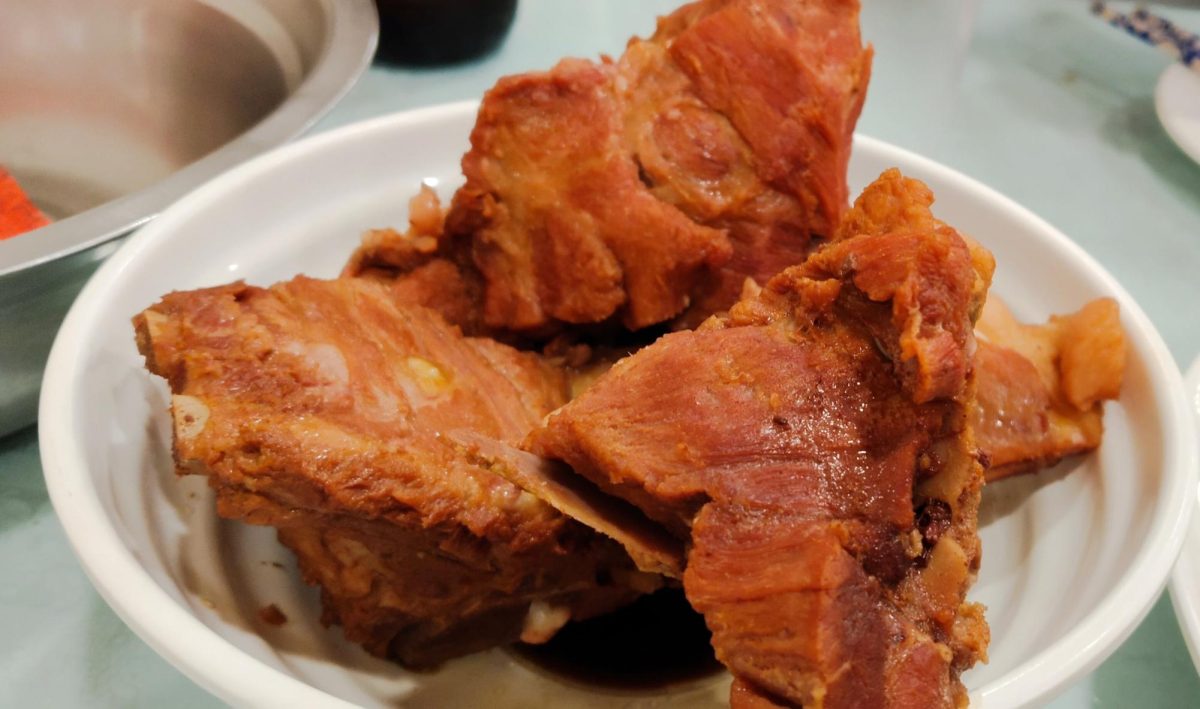
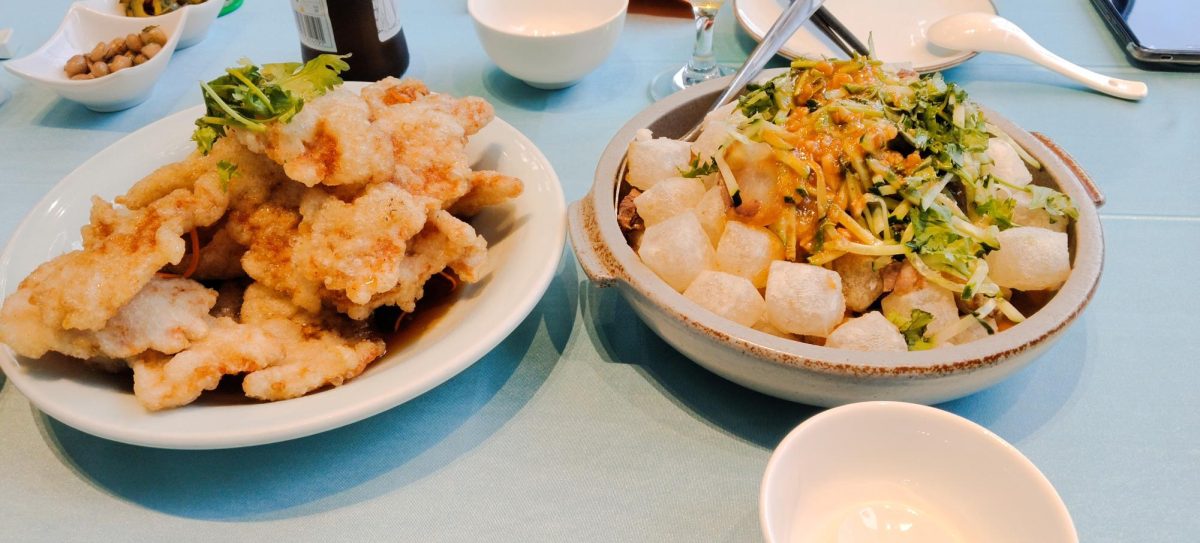
My dad and I tried local specialties — soy-braised pork bones, sweet-and-sour crispy pork, snow-coated red bean paste and barbecue skewers.
Termination 3: Shenyang, museums with creative souvenirs
Here comes the last stop — Shenyang, Liaoning Province. We visited some museums, and the souvenirs there attracted me most. During the trip, I found that every location had its own souvenir ice cream, created in the shape of the building or other signature features. Even a bookstore had its own creative ice cream. In recent years, creative souvenirs have grown in popularity in China. For example, the Fengguan fridge magnet has surpassed 1 million in sales.
Some museums opened cafes and created combinations featuring signature collections, such as the Zhu Yu Long Egg. Unfortunately, I didn’t try one, but the design was creative.

(Xinyun (Jessie) Wang)
The left one is shaped like the museum building,with chocolate and vanilla flavours.

On the right are illuminated lollipops featuring famous spots from the mansion.
(Xinyun (Jessie) Wang)
In the middle is the Jade Pig Dragon, one of the museum’s most famous artifacts, with vanilla and three colors.
On the right is “Court Ladies Wearing Flowered Headdresses,” inspired by the painter Zhou Fang of the Tang Dynasty (eighth century), with strawberry and milk flavors.
After traveling to northeast China, I witnessed the local lifestyle and the development of the travel industry.
I still have much I did not experience during this trip, such as Er Ren Zhuan, a type of comedic performance that is famous in Shenyang. Maybe next time.