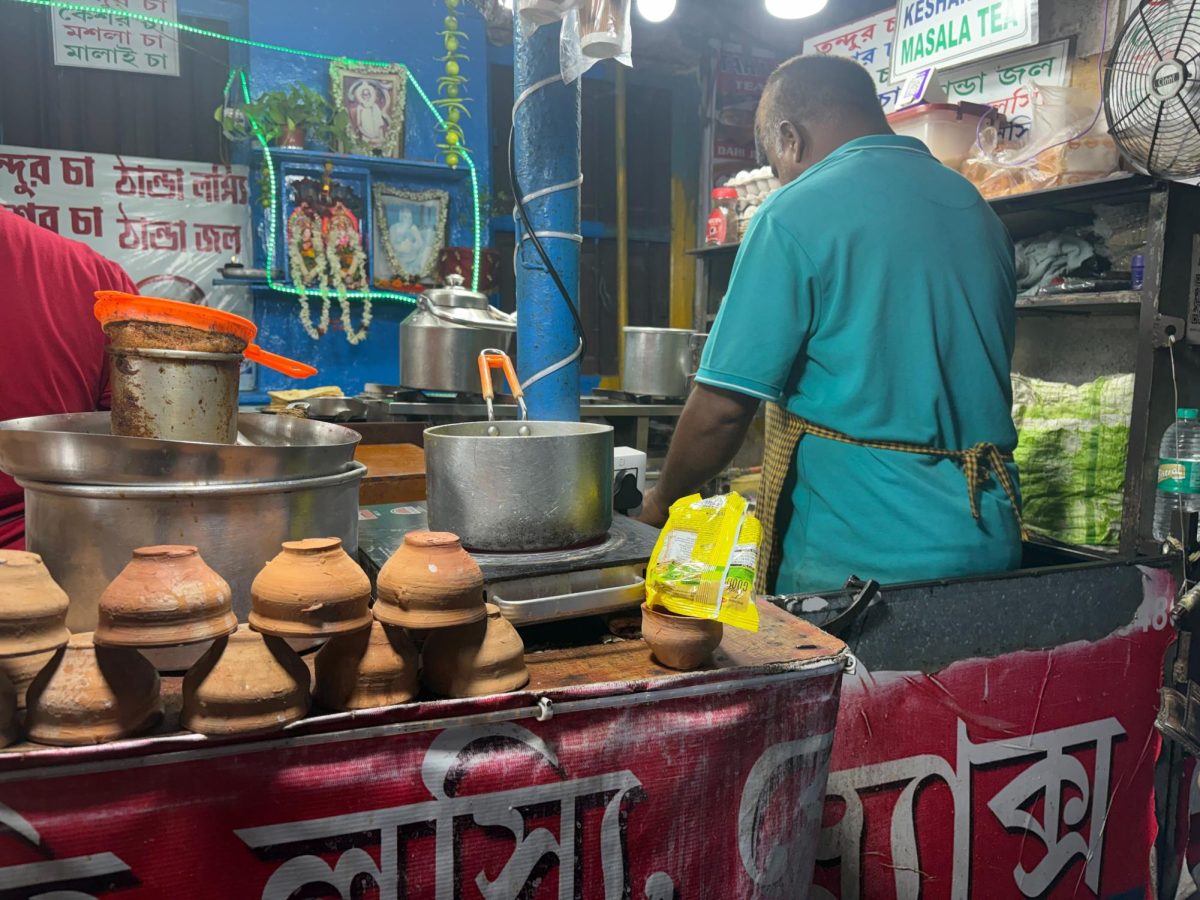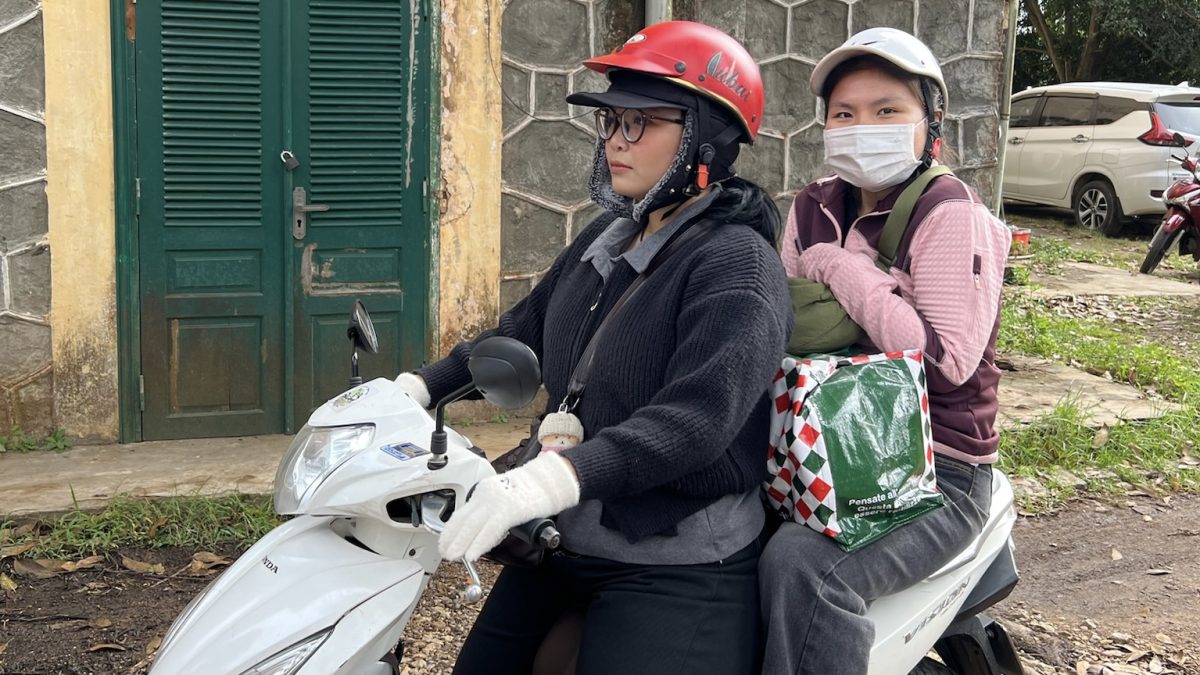
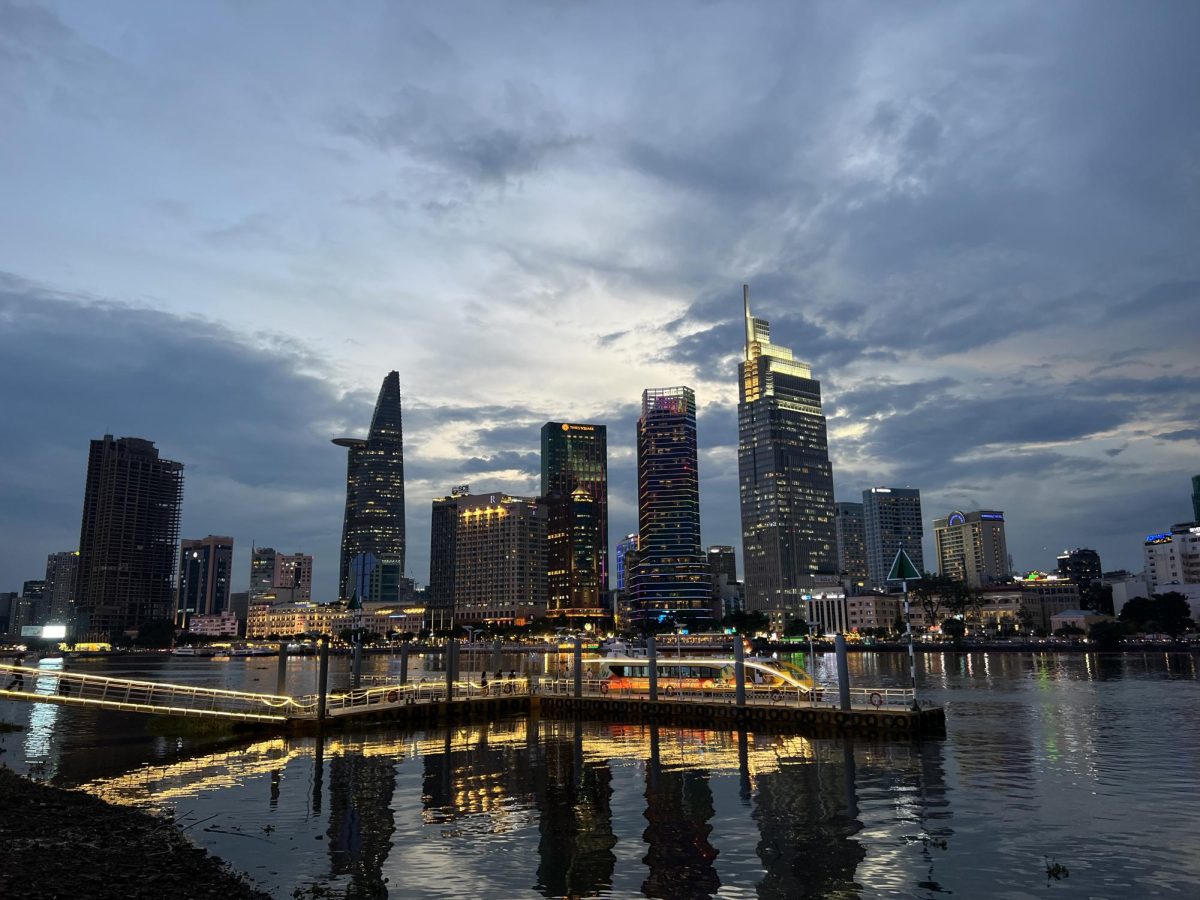
Over the past two decades, new opportunities in Ho Chi Minh City and Hanoi have become powerful symbols of Vietnam’s growth. The skyscrapers, industrial zones, and bustling streams of motorbikes tell the story of a nation in transformation and of the millions of people who migrated to make that story possible.
From factory workers in Binh Duong Province to street vendors in District 1 (Ho Chi Minh City), internal migration has transformed Vietnam’s economic landscape. But behind this urbanization lies an invisible burden- rising discontent, unaffordable housing, and a growing gap between those who make cities what they are and those who benefit from it.
A Nation on the Move
According to the General Statistics Office (GSO) in 2024, more than 4 million Vietnamese people are currently living outside their home province- equivalent to nearly 4.3% of the entire population.
Migration has long been a driving force behind Vietnam’s economic development. Since the “Renovation Policy” (Doi Moi) in 1986, when the country began opening up to foreign investment, industrial hubs such as Ho Chi Minh City, Binh Duong, Dong Nai, and Hanoi have become destinations for millions of young people seeking opportunities and employment.
The rural-to-urban shift has been most intense in the Southeast region, where the majority of foreign-invested factories are located. In Binh Duong alone, migrants account for more than 43% of the population in 2019– the highest proportion in the country. Most are young workers, aged 18–35, employed in manufacturing, construction, and service industries.
Economic Engines and the Price Paid
Internal migration is at the heart of Vietnam’s export-led growth model. According to the GSO in 2024, the industrial sector in general and the manufacturing sector in particular depend heavily on migrant workers, contributing 37.64% to the country’s GDP. Yet behind these impressive figures lies a high human cost.
In urban areas, the average monthly income of workers is only about 6.9 million VND (≈ 261 USD) in 2024, while rent alone consumes nearly half of that. As the prices of food, fuel, and transportation continue to rise, the capacity to save becomes almost nonexistent.
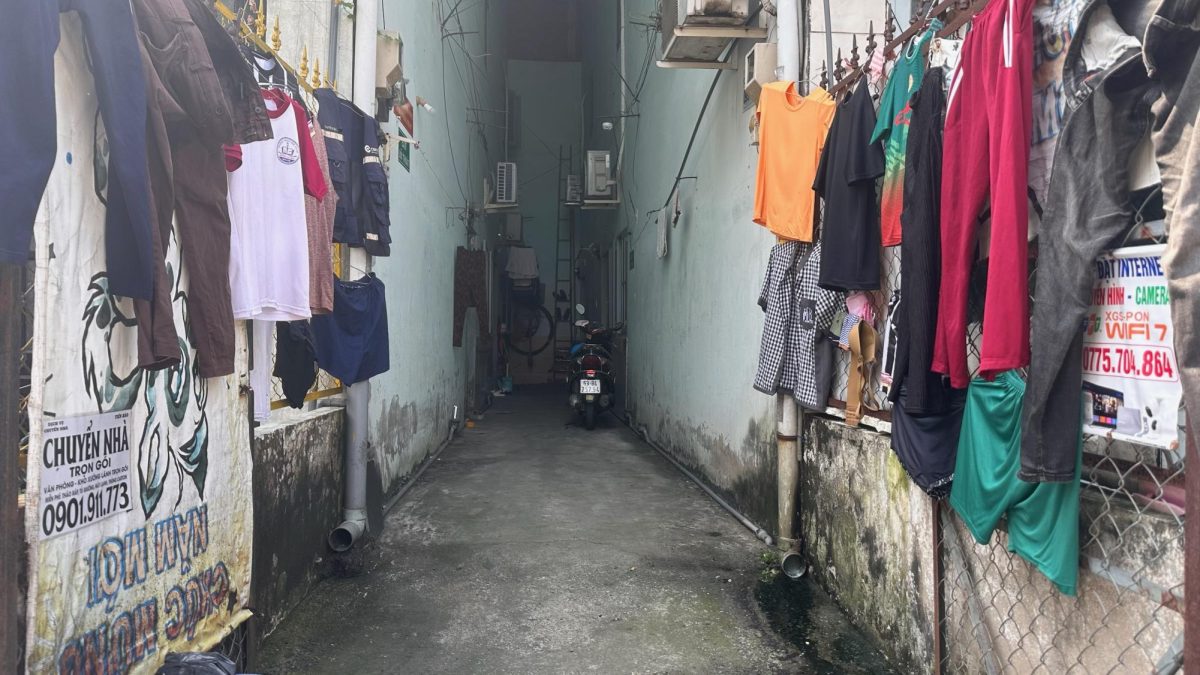
According to the 2024 survey results, up to 53.9% of migrant workers are living in rental accommodation such as single-family homes, rental houses, or corrugated iron houses, with limited living conditions. For single-family homes, most have private bathrooms, but the living space is still very small.
The area of rental rooms is usually less than 30m², and in some places it is only about 10m². These houses often do not have private rooms for each individual and lack a study area for children. All activities such as cooking, childcare, family activities and resting must be carried out in the same cramped space.
Limits of Access
For years, migrants have faced steep barriers to accessing social services such as health insurance, social insurance, and education. Without a household registration or temporary residency papers, many are unable to enroll in basic services, forcing them to pay medical costs out of pocket or travel back to their hometowns just to purchase insurance. Many also lack information about healthcare and social services, while aid programs for low-income families still rely heavily on permanent residency lists- leaving countless poor migrant workers overlooked.
Recent policy shifts have made the system more accessible. Migrants are no longer required to present a household registration when applying for insurance, as authorities can now verify their information directly through the National Population Database, the VNeID application, or chip-based ID cards.
Even so, real access remains limited. Most migrant workers use only a small fraction of the public services available to them. Essential tasks like securing identity papers or signing up for health check-ups are still difficult to complete.
A growing challenge is the digital divide. Many migrants are unfamiliar with key digital platforms and often feel anxious when using online services. It’s no surprise, then, that 71% of migrant workers say they feel at risk when using technology to access social welfare. During the government’s recent announcement of a 100.000 VND (3.8 USD) benefit to commemorate the 80th Independence Day (September 2nd), many workers fell victim to data theft after clicking on fraudulent links disguised as “support payment” portals.
A Housing Crisis Amid a Rising Middle Class
The surge of urbanization in Vietnam is driving an increasingly severe housing crisis. According to data from Numbeo, Vietnam’s House Price to Income Ratio (HPR) in 2025 reached 25.8 – meaning the average home costs nearly 25.8 times the annual income of a household. This figure has steadily risen in recent years, from 23.7 in 2024 and 23.5 in 2023, placing Vietnam among the countries with the highest HPR in the world.
The primary cause is a deep imbalance between supply and demand: housing supply cannot keep pace with the rapid growth of the urban population, while many projects are stalled due to legal bottlenecks, slow planning adjustments, and delays in investment approval. As a result, housing prices continue to climb, and homeownership is becoming increasingly out of reach for young people.
While the newly rising middle class continues to benefit from modernization, the very people who keep the urban engine running are being pushed to the margins – both in living space and in social status.
A Tense Urban Future
Ho Chi Minh City’s population is currently growing at 2.3% per year – nearly double the national average – placing enormous pressure on infrastructure and the environment. Traffic congestion, air pollution, and shortages of clean water have become the “new normal” of urban life.
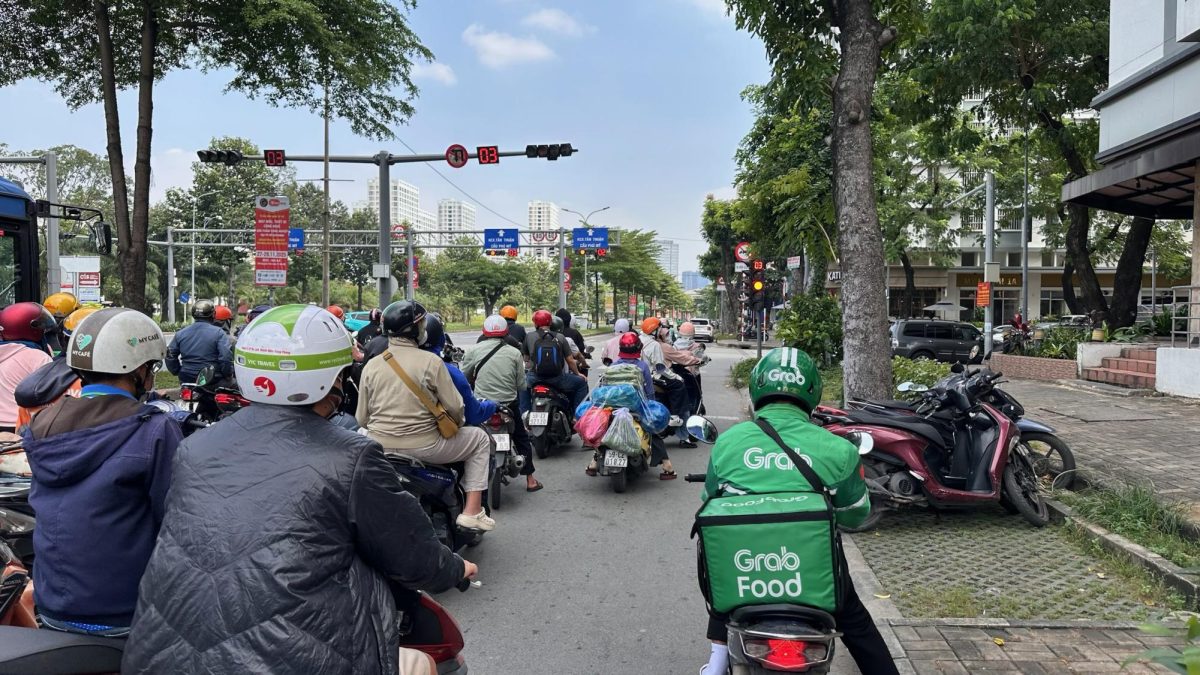
According to the Vietnam Urbanization Report (World Bank, 2023), if this trend continues, the greater Ho Chi Minh City area could exceed 14 million residents by 2030, pushing transportation, housing, and public services to their limits.
To ease the strain, urban planners are shifting toward a “multi-centered” model, distributing population and employment across satellite cities such as Thu Duc, Bien Hoa, and Binh Duong.
Beyond the Numbers: A Generation in Transition
Migration is not only an economic story– it is the story of a shifting generation. For many, the city is a temporary place to earn money before returning hometown. But for young people, urban life has become a space of opportunity, freedom, and ambition.
This shift reflects a cultural turning point in Vietnam: rural families are no longer defined solely by rice fields, but also by remittances, education, and mobility. Cities– once distant and unfamiliar– are gradually becoming a “second home.”
The Future of a Nation on the Move
By 2030, Vietnam is projected to reach an urbanization rate of over 50%, a dramatic rise from today’s 44,3%. Migration will continue to be a central force– shaping not only the economy but also identity, community, and the country’s evolving social contract.
The biggest question for policymakers is: How can the people who build the city also belong to it?
Until that question is answered, millions will continue to move– carrying the same hope that brought them here in the first place: the search for a better life, even if only a fragile one.