KOLKATA – While the world is fighting over the Strait of Hormuz, Kolkata street chefs are now struggling to adapt as the price of propane has shot up almost 7% for domestic use and a whopping 90% for commercial use.
The price increases were announced on May 2 by the Indian Ministry of Petroleum and Natural Gas, which sets the price. The prices vary depending on the city and the state. Poorer street chefs tend to use domestic propane, while more financially solvent vendors use commercial.
Because of the sharp price increase, some street chefs have been turning to electric stoves, or a combination of electric and propane.
Nestled in the crowded lanes of South Kolkata, Raja Sen, 50, has been running his street restaurant for the last 20 years. “Never in the entirety of my business have I seen the gas price increase to this level,” Sen said.
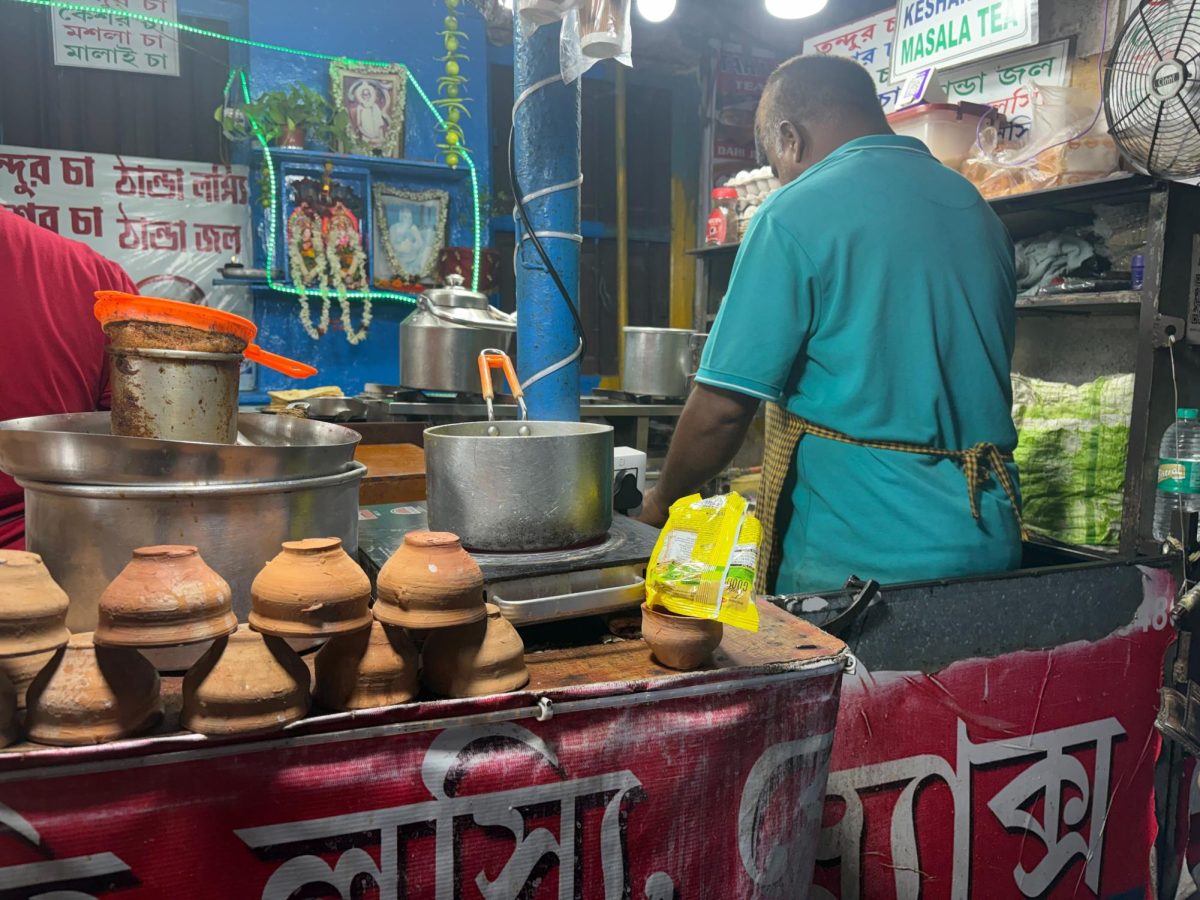
Alongside serving his customers, he added, “The government doesn’t really care about people like us. Hence, I’ve changed my cooking setup from all-gas to now both gas and electric stoves. This setup is not exactly beneficial as now I’m paying for both gas and electricity.”
Street vendors of Kolkata don’t really have a stable source of income as customers showing up differ from one day to another, depending on their geographical location and of course the hunger factor.
With such high rates of gas, people of Kolkata are now investing in induction or electric stoves.
Mamata Mondal, 32, a staff member at the Great Eastern Trading and Co., a retailer which sells electric stoves, said, “We are running out of inductions currently and have been restocking them thrice a week. The price of it has also risen by an inch.”
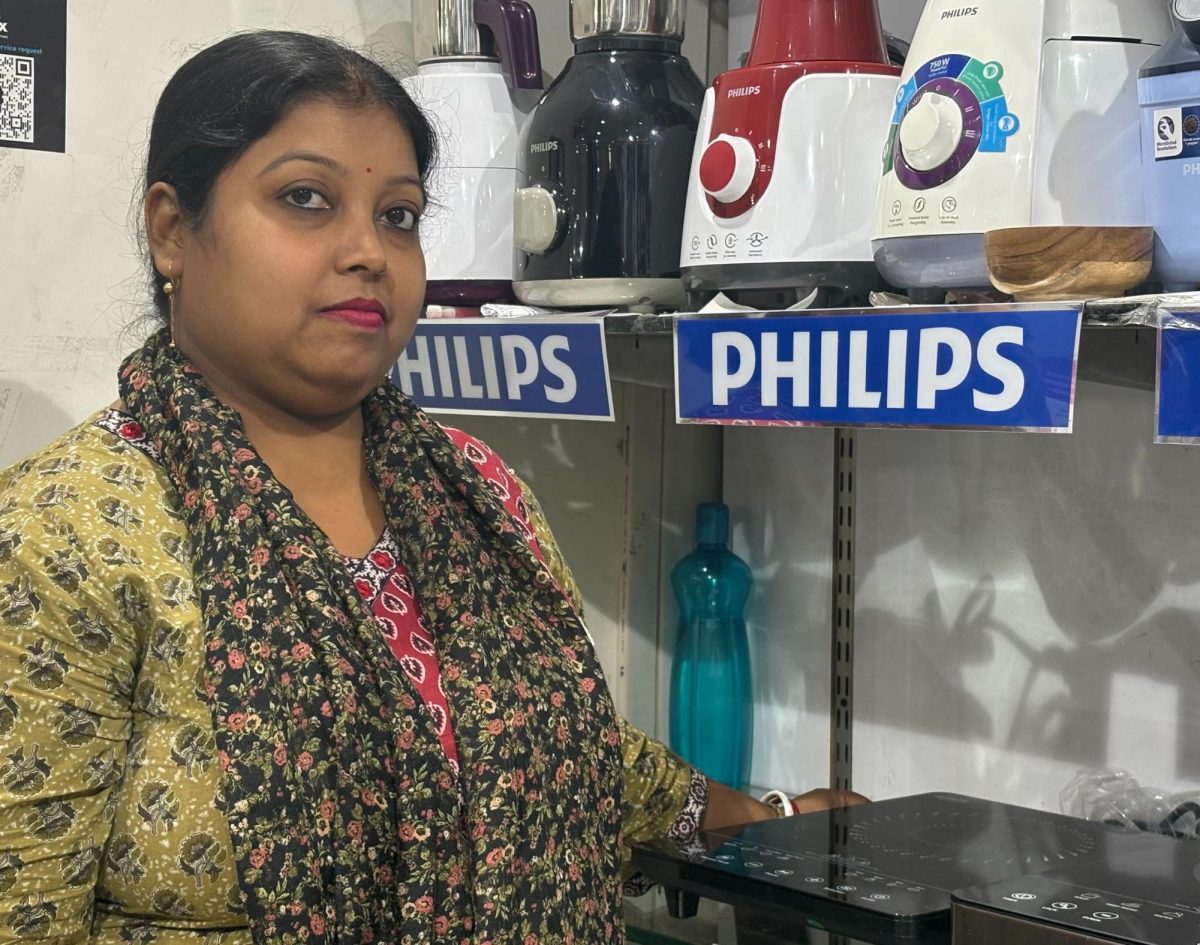
Mondal added, “I’ve been using it for the last two months myself since the LPG price increase and think it’s a must-have. I really want the government to think about the people of this nation before indulging in war.”
Unlike gas, the induction works with the physics of electromagnetic radiation and requires a specific culinary setup – mostly cookware made of iron and stainless steel with a flat conductive layer at the bottom for the heat to transfer quickly and efficiently, which is an additional cost for street chefs.
The Indian Ministry of Petroleum and Natural Gas said in a statement on the official website, “Avoid panic purchase of petroleum, diesel and LPG as the government is making all efforts to ensure availability.”
Sujata Loth, 50, a mother of three daughters and wife to a man with no job, runs Sujata Tea Shop. But now the LPG price hike is making her anxious about the future.
Even though she has solar panels to take care of the light on the ceiling and the fan, “I don’t think I’ll be able to afford an electric stove and the culinary setup for it,” said Loth. “My temporary solution to this problem is buying kerosene for ₹120 ($1.26 per liter), which again isn’t really very cheap in itself. The tea which I used to serve at ₹8 is now ₹10, considering the extra expenditures of the business.”
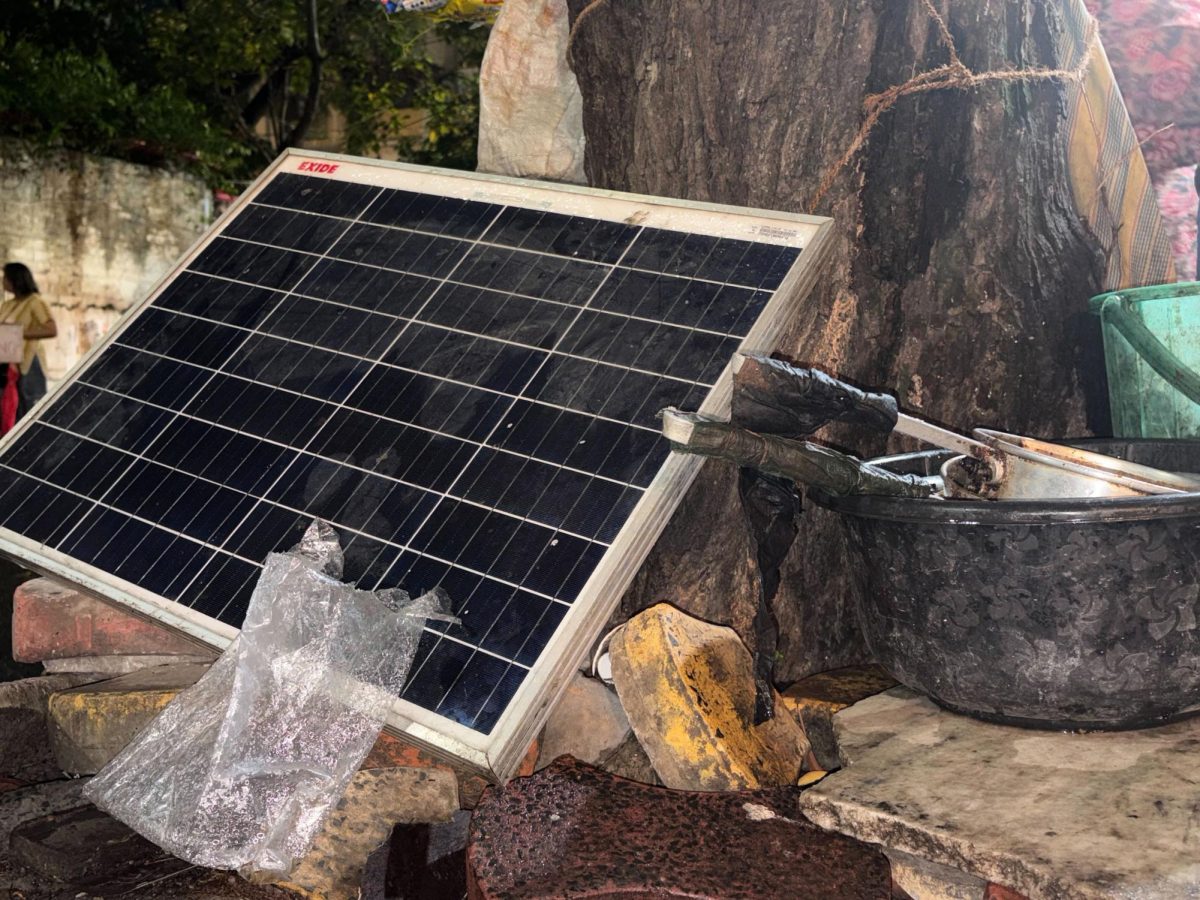
Sujata now uses her domestic LPG gas to keep her shop going and her family often have only one proper meal a day.
“I’m not making any profit at this point,” said Sujata. “I’m just keeping my business on a roll to keep my sanity safe. My shop is my only source of hope.”
Though many are battling the hardships of war, some street vendors have already quit their businesses as they cannot afford to buy cylinders in the black market at ₹4000 ($42.08) and above.