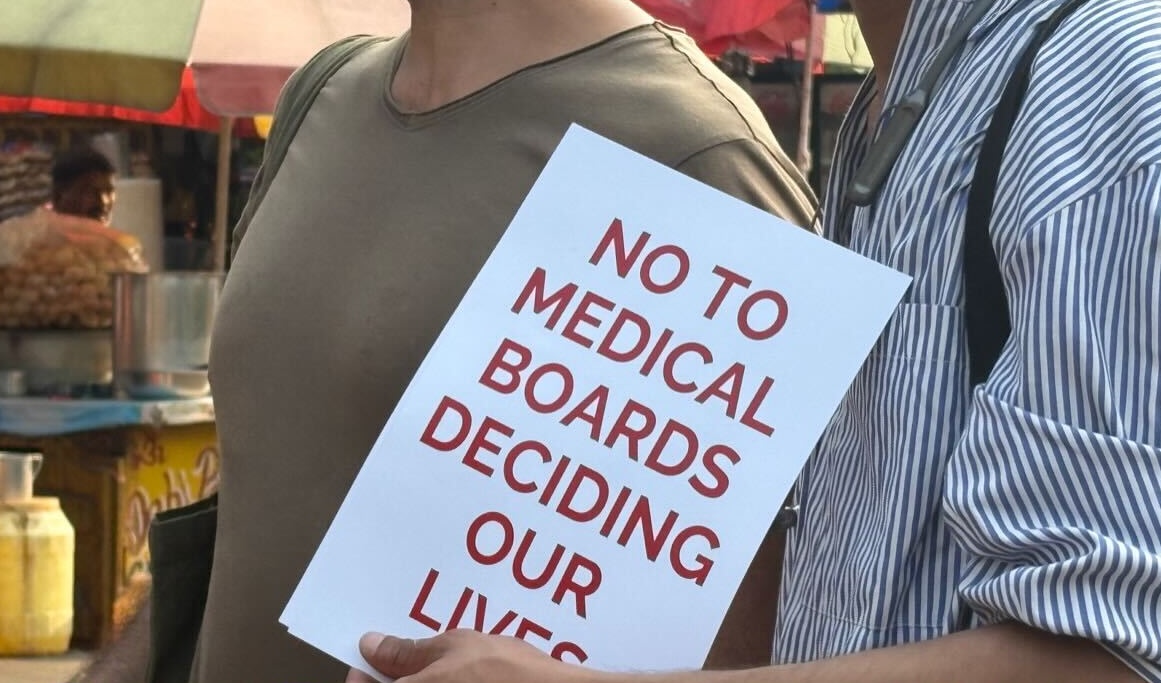
Protests erupted in major states across India after the passage of a new transgender law, which trans activists said was a major step backwards for the country. The protests, in Maharashtra, West Bengal, Tamil Nadu and in the union territory of Delhi, were driven by anger at the introduction of the “2026 Transgender Bill,” which recently became law. Backers of transgender rights said the law limits the legislative rights of the community.
Announced by the Indian Ministry of Social Justice and Empowerment on March 13, the bill was passed in the Parliament despite strong objections from the opposition on March 25th. To much despair from the community, Indian President Droupadi Murmu approved the bill on March 30. From undermining transgender rights, this amendment takes the country’s constitution back in time from its previous jurisdictions, said trans activists.
The law restricts the ability of individuals to self identify their gender and requires institutions which perform Gender Assignment Surgery (GSR) to register surgeries with local authorities – which trans activists said will greatly restrict the number of operations.
A resident of an on-shore town of West Bengal, India, Adwitya Biswas, 32, a transgender woman, travelled more than three hours in the scorching sun to raise her voice at a protest in Kolkata, the capital of West Bengal.
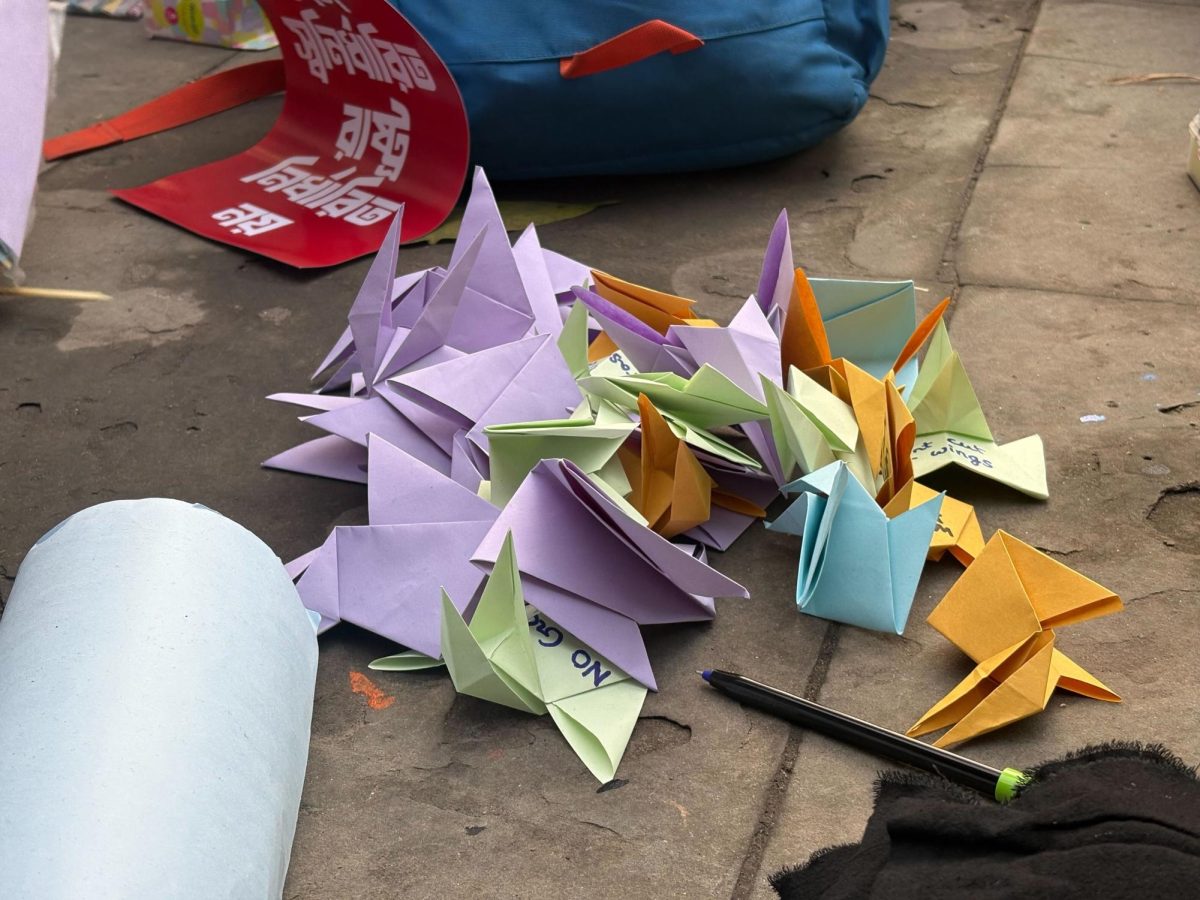
Adwitya said, “Throughout history and religious texts, be it Bhagavad Gita or the Quran, the transgender community has always existed. This bill not only takes away our freedom to choose but also fails to understand us as a community.”
She adds, “When we head to a shop to buy a bottle of water, does the government charge us any less? Do we pay our taxes any differently than the rest of you? If we bear everything equally, then why are we to show our bodies to a board of doctors, to prove our being and why the rest of you aren’t doing the same?”
Organised by Kolkata Rainbow Pride Walk on March 31, the protest attracted about 40 people, ,with allies of the community chanting, “Keep your policies out of my body.”
To understand this shift better, it’s relevant to go back to past judgments of the Supreme Court. In 2014, the Supreme Court in NALSA vs Union of India, affirmed that gender identity belongs to individuals, and the state cannot condition its recognition on medical grounds. Though the amendment doesn’t openly reject NALSA, it redraws the legal framework in ways that holds self identification almost irrelevant.
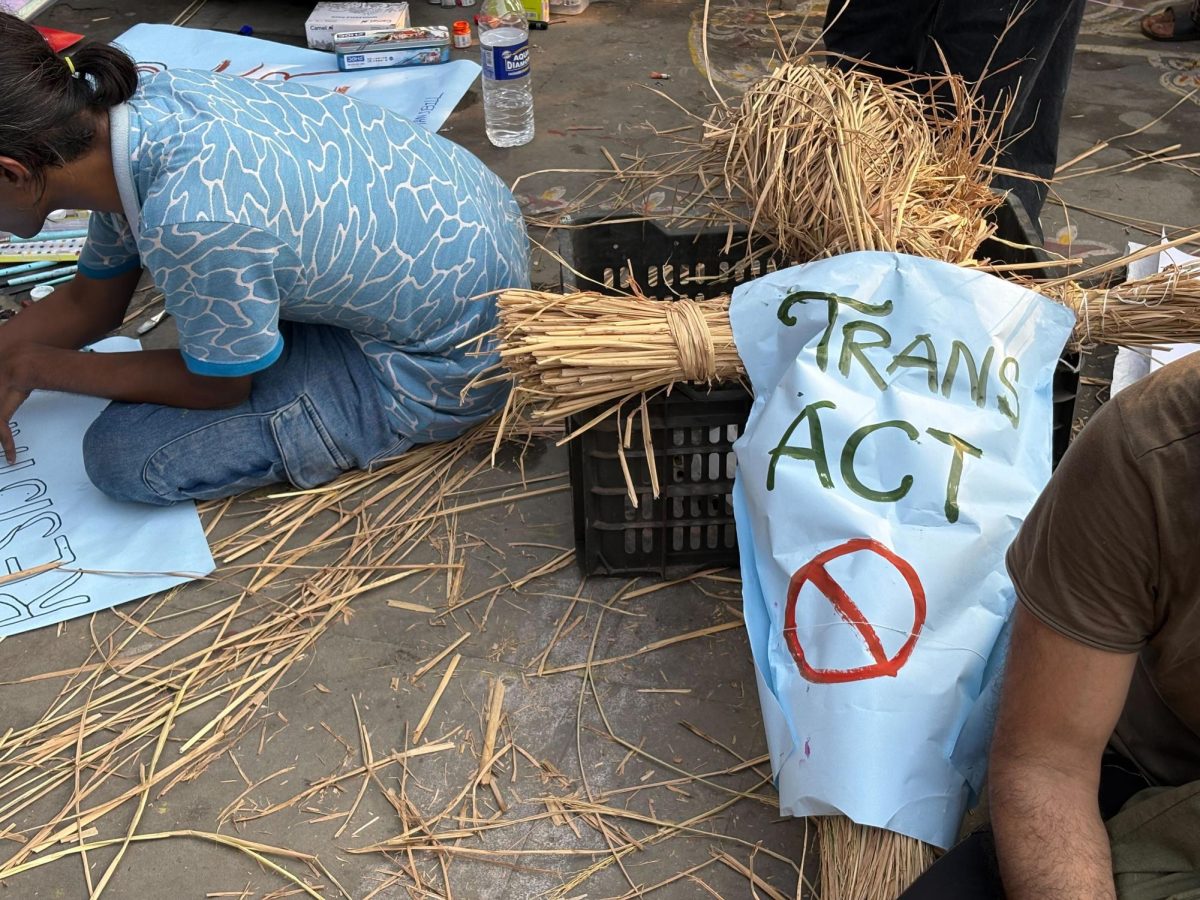
Kaushik Gupta, a senior lawyer at Kolkata High Court, who’s also been working with the queer community since 2003, pointed to the Transgender Persons (Right to Protection) Act 2019 and calls the new law repulsive,
“The current amendment narrows down the definition of a ‘transgender person’,” Gupta said. “The bill confines recognition to a limited set of socio-cultural categories, such as kinnar, hijras, and entirely excludes trans masculine persons from the framework and leaves trans women who don’t identify with such socio-cultural categories without a clear path to recognition.”
The major highlights of this new Amendment include:
- A person cannot change their biological sex based on their preference
- Only after getting examined by a medical board, the District Magistrate will issue a certificate of identity. An institution where one undergoes GRS ( Gender Assignment Surgery) will be required to provide details to the District Magistrate.
- People who undergo GRS without authorization can be fined or sentenced to prison for up to 10 years at the least.
Justified by the government, this amendment aims to address difficulties raised in implementing the 2019 act due to a vague and broad definition of the community.
Kaushik Gupta, lawyer and advocate for the cause, said, “This amendment is leading to mental health issues amongst the community people. Those who have already started the process of GRS are now scared that they will be denied access. Additionally, I’ve been receiving several cases of assault and harassment of transgender people post the amendment. This amendment takes away the right to equality.
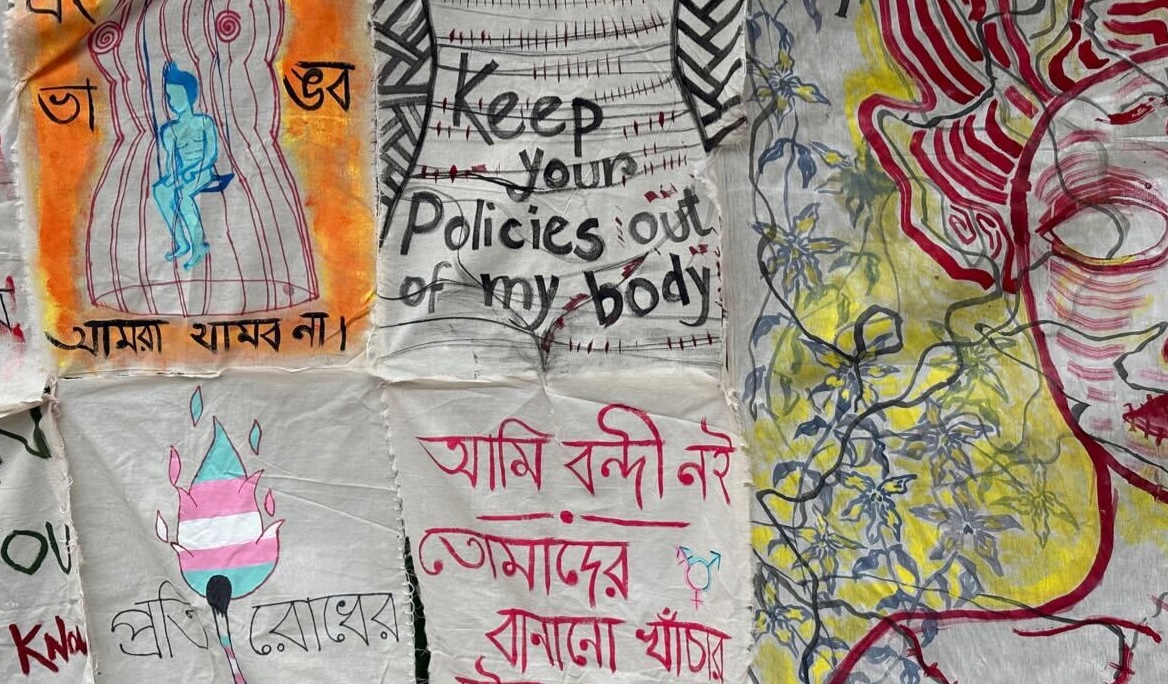
Gupta adds, “I think globally, we are moving towards a far right approach, which sees things in binary. With the new Trump regime and Olympic Association excluding transgender women from women’s sports, it can be well said that India is following the footsteps and has gone far from the times of Non Alignment Movement.”
This amendment also omits the right to change the first name on a birth certificates and other official documentation. Even for a person to “dress” or present themselves as transgender is now an offense. This reflects makes room for more discrimination, along with from caste and class in India.
Devanshi Shrivastava, a freelance journalist and social activist currently based in Chennai, said, “I feel like the biggest challenge of our times is to feel alive, to become active participants in this society. In times like these, it’s important to start small instead of aiming for something huge. Whichever state you are in, go to protests, listen to community people, and raise awareness on their terms.”
Shrivastava added, “Right now, instead of running to the Supreme Court, first file your grievances to your respective High Court for the Supreme Court to look into, prior to making a landmark judgment. Last but not least, be compassionate.”